

Dental X-rays
- Home
- Dental X-rays
Dental X-rays, also known as radiographs, are images of your teeth that your dentist uses to evaluate your dental and overall oral health. These utilise low levels of radiation to capture pictures of the insides of your teeth and gums. This can help your dentist to recognise problems, like cavities, tooth decay, and impacted teeth.
Dental X-rays may seem complicated, but they’re common tools that are equally important as teeth cleanings.
Purpose of Dental X-rays
Dental X-rays are usually performed annually. They can be taken more often if your dentist is monitoring the progress of a dental problem or treatment.
Factors affecting how often you get dental X-rays may include:
- Your age
- Your current oral health
- Any symptoms of oral disease
- A history of gum disease or tooth decay
If you’re a new patient, you’ll probably undergo dental X-rays, particularly if you don’t have X-rays available from your previous dentist.
Children may need to undergo dental X-rays more often than adults because their dentists might need to monitor the growth of their permanent teeth.
X-rays can help the dentist determine if the baby teeth need to be pulled to prevent complications.
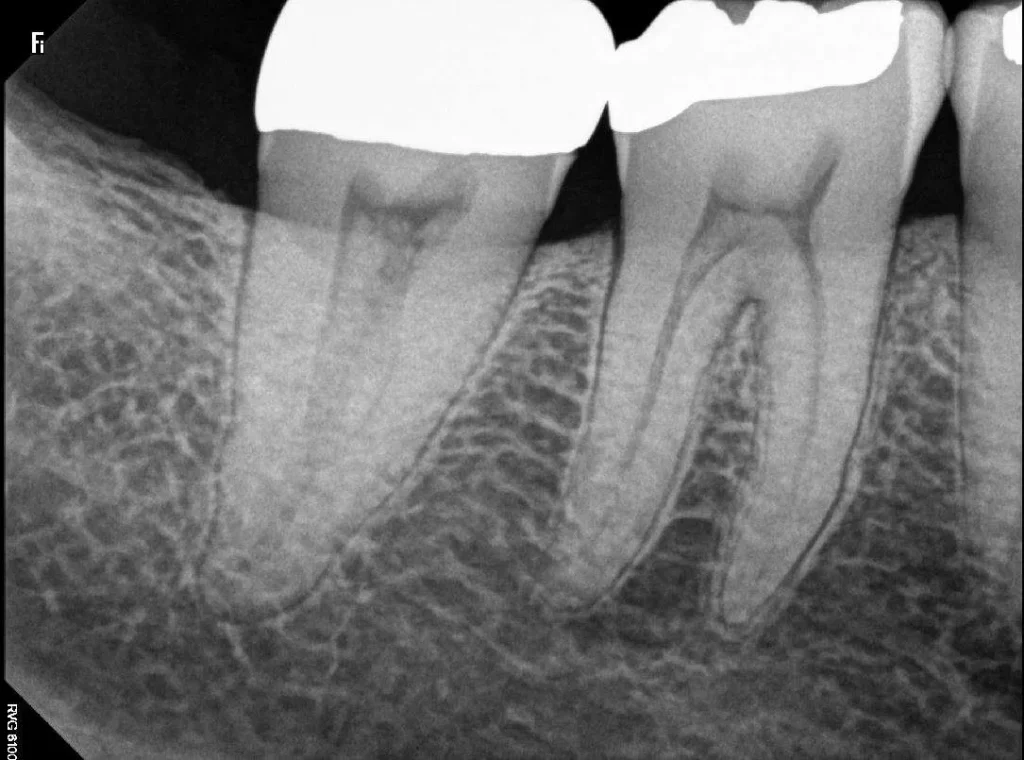
Types of X-rays
There are two types of dental X-rays – the intraoral and the extraoral X-rays.
Intraoral X-rays
Involve the digital imaging of the teeth, your bite, and gums.
Bite-Wing X-ray
This technique involves biting down on a piece of paper so that your dentist can identify how well the crowns of your teeth complement each other. This is often used to check for cavities between teeth.
Occlusal X-ray
This is performed when your jaw is closed to see how your upper and bottom teeth line up. It can also detect abnormalities with the floor of your mouth or the palate. This technique captures all of your teeth in just one shot.
Panoramic X-ray
Your dentist may use this technique to examine your wisdom teeth, plan for implanted dental devices, or inspect jaw problems.
Periapical X-ray
This technique concentrates on two complete teeth from the root to crown.
Extraoral X-ray
May be used when your dentist thinks there might be issues in areas outside of the gums and teeth, such as the jaw.
Preparation for Dental X-rays
Dental X-rays require no special preparation. The only thing you need to do is to brush your teeth before your appointment. That creates a more sanitary environment for those working inside your mouth. X-rays are usually done before cleanings.
At Supreme Dental Preston, you’ll sit in a chair with a vest across your chest and lap. The X-ray machine is positioned along your head to record images of your mouth.
Your dental hygienist will guide you through each step of the process. Hold still while the pictures are recorded. Spacers will be moved and adjusted in your mouth to achieve the proper images.
After Dental X-rays
Your Preston dentist will review your X-rays and check for irregularities. If your dentist spots problems, such as cavities or tooth decay, they’ll discuss your treatment options.
Dental Care at Supreme Dental Preston
At Supreme Dental Preston, we assure you of safe and effective dental and jaw care. We provide customised treatments tailored just for you!
Visit your Preston dentist today!
Preston dentist is also serving local communities in Coburg, Northcote, Thornbury, Bundoora, and Reservoir.
Call us on (03) 9478 7708 or visit us at 455 High St, Preston VIC 3072.
Book Your Consultation Today! Book Below or Call (03) 9478 7708
Have Some Questions?
What Insurances Do You Accept?
Is there public transport available?
We are located on High Street, Preston – steps away from Preston Market
Easily accessible via public transportation (bus stop within walking distance)